EVERYDAY LIFE · 1901
The Psychopathology of Everyday Life
Sigmund Freud
A forgotten name, a lost key, one word for another: the unconscious at work every day.
Discover
 Learning FrontierExplore PsychologyExplore
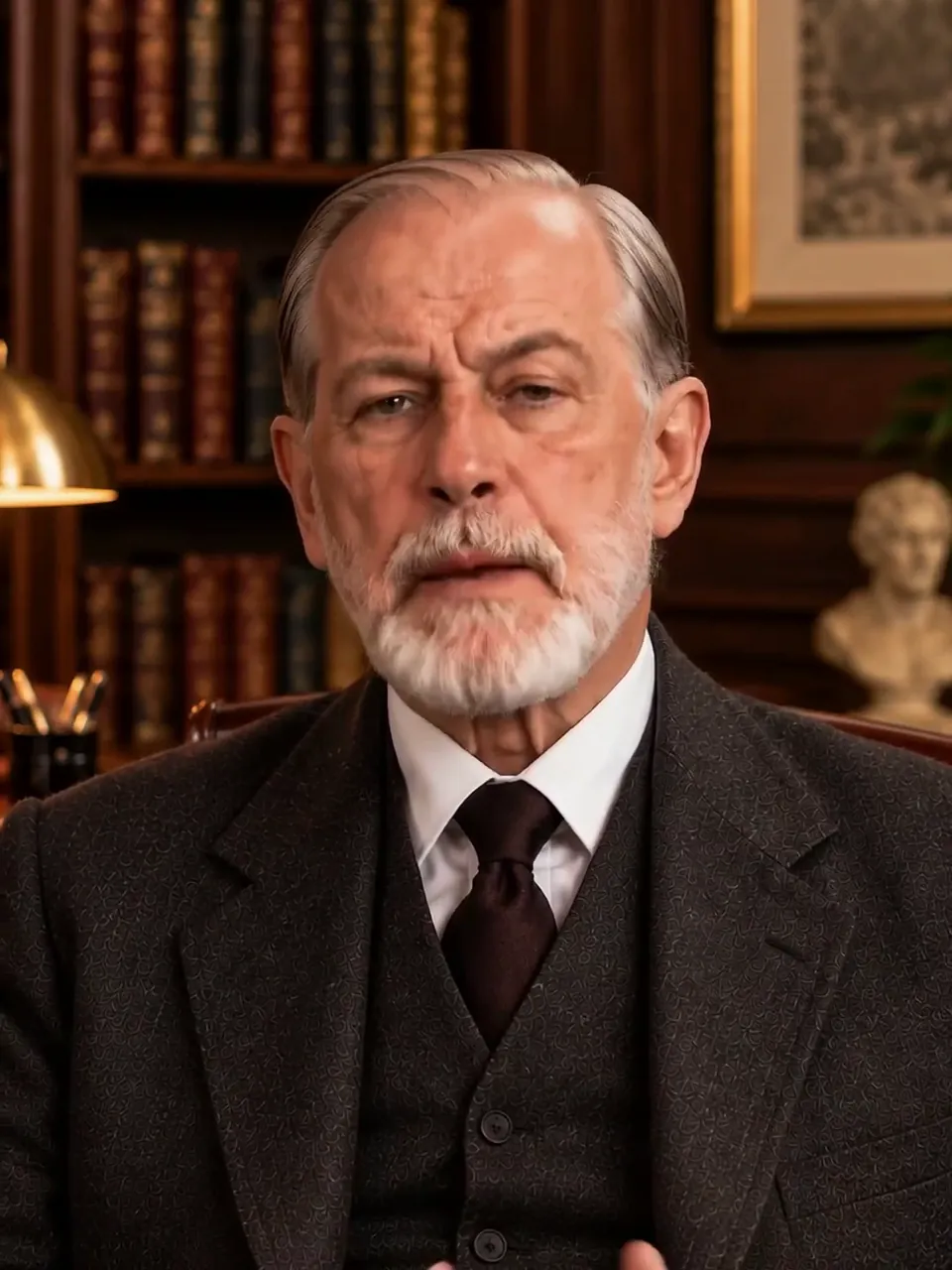
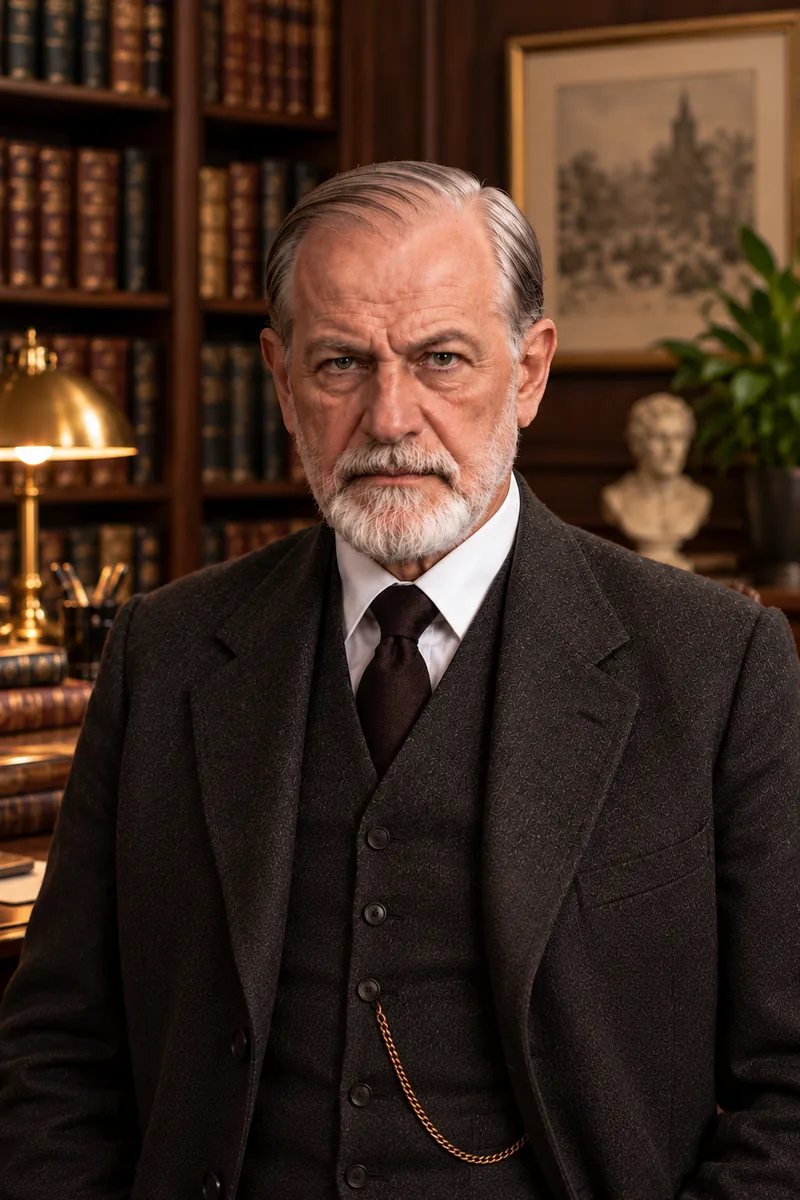
Don’t just study a summary: ask Freud what a slip of the tongue might reveal, why dreams disguise their meaning, or what Charcot taught him at the Salpêtrière. Psychology told by those who shaped it — grounded in their own writings.
A historical AI simulation, for learning and reflection — not a therapist. No diagnosis, no treatment.
Six works, all in the public domain. Read them in the app, chapter by chapter, and talk them over with the people who wrote them.
Freud answers today; Adler, Horney, Coué, Janet and Breuer are on their way. Each is a historical AI simulation built from their own writings — for learning and reflection, not for treatment.
The same conversation experience as everywhere else on the platform, applied to psychology and the people who founded it.
The same reading companion that follows you everywhere — now through the founding texts of psychology.
“There are two differences between me and the superstitious person: first, he projects the motive to the outside, while I look for it in myself; second, he explains the accident by an event which I trace to a thought.”
The unconscious is easier to grasp at the source: in Freud's own texts, and face to face with the man who wrote them.
Learning Frontier works with authors and publishers to help ensure fairer compensation for rights holders.
Learning Frontier data is stored in Europe, with particular attention to privacy and security.
We adapt our models and how we use them to limit their energy consumption while maintaining a high-quality learning experience. This approach aims to reduce the ecological impact of AI.
By using Learning Frontier, you support an approach to AI that respects creators, protects data, reduces its environmental footprint, and makes knowledge more accessible to all.
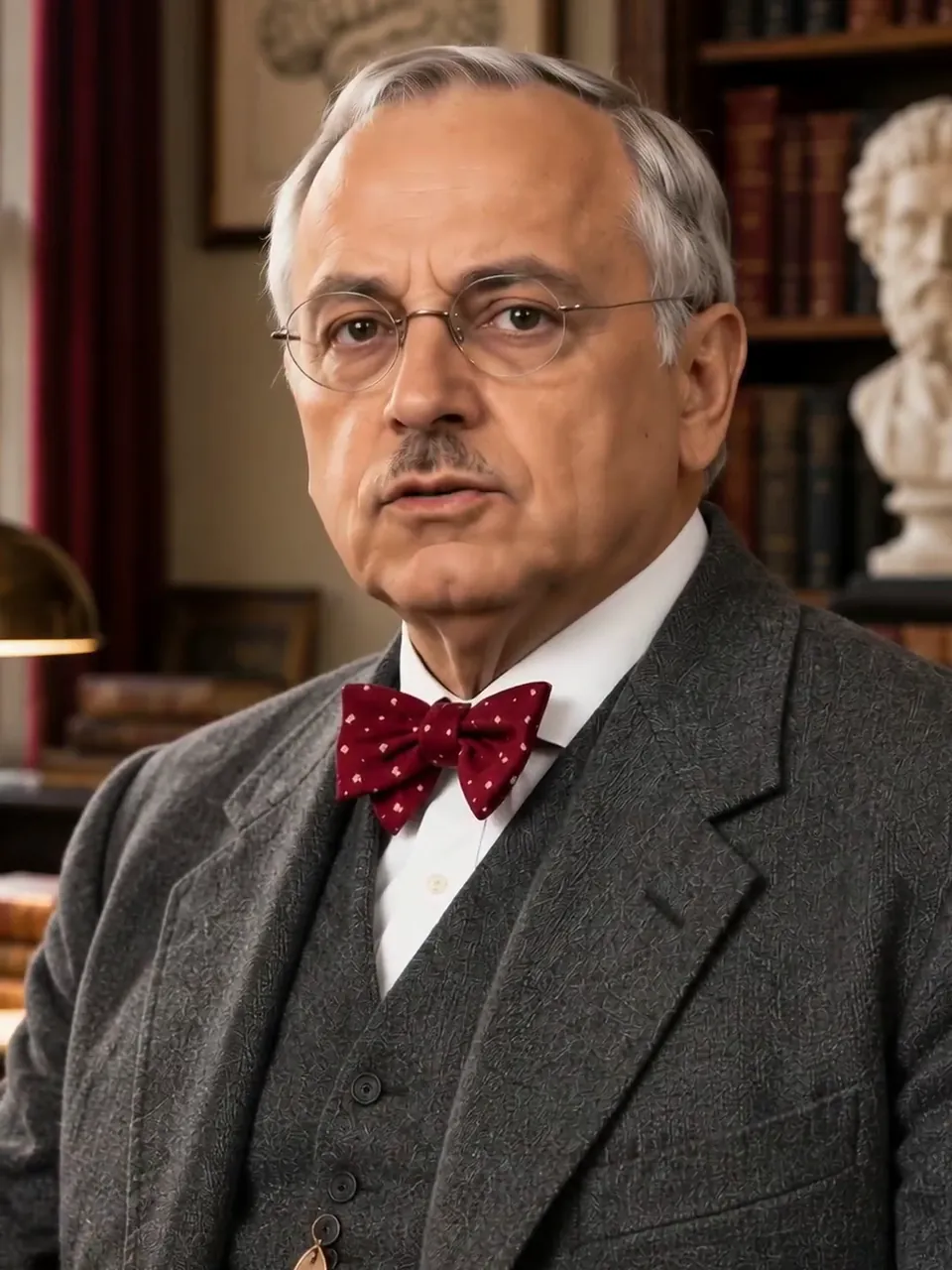
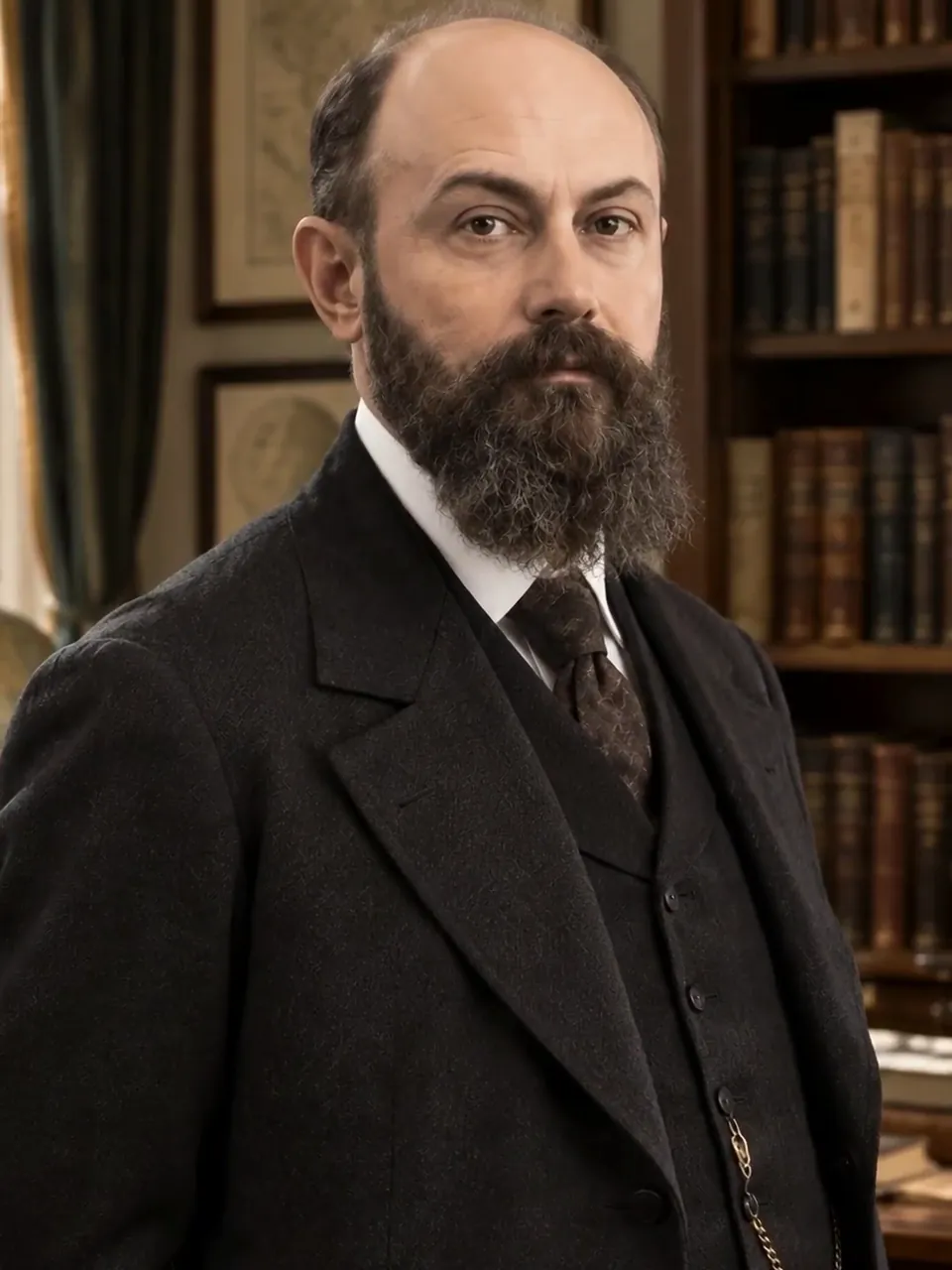
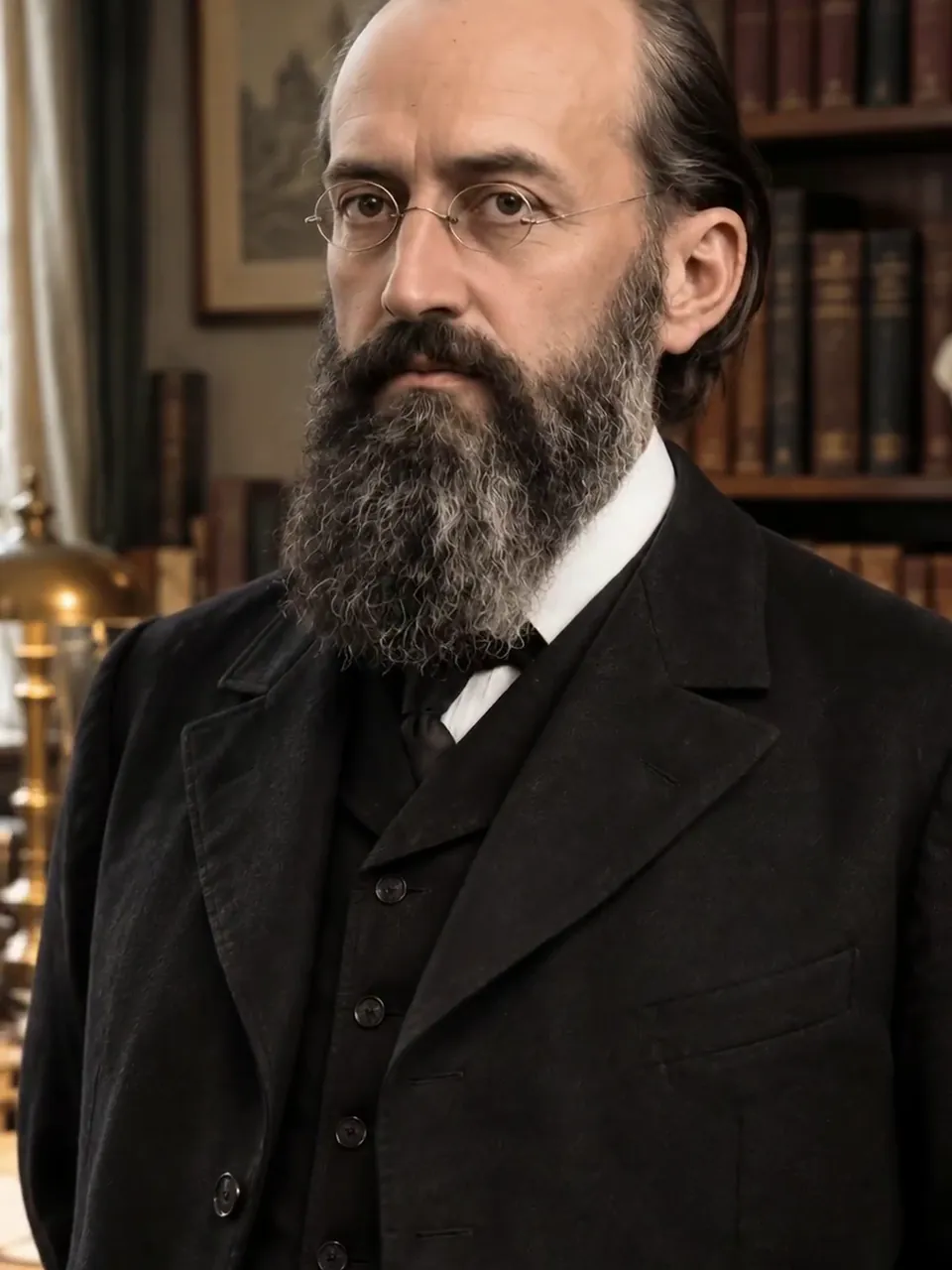
Sigmund Freud today, along with William James and Wilhelm Wundt. Adler, Horney, Coué, Janet and Breuer follow.
From the original texts: The Psychopathology of Everyday Life, The Principles of Psychology, Elements of Folk Psychology. Beyond his books, the figure says so rather than inventing.
No. These are historical AI simulations, built from each figure's writings, for learning and reflection. They make no diagnosis and do not replace a professional: if you are going through a difficult time, please talk to a doctor or a psychologist.
No. Ask Freud what a slip of the tongue is, then open the book when you feel like it.
Work with us
Want to collaborate with us or learn more about the company? Propose a partnership or reach our press team — every message gets an answer.
Company, organization, creator, educational institution or future partner — tell us what you have in mind.