NEWThe Art universe has just opened — look at the works with the people who painted them.Explore
✦ The Art universe

Artworks come to life. Talk with the artists and their masterpieces

Artists' notebooks, letters and treatises — and the history of the works themselves — become conversations. Understand a gesture, a colour, a hesitation, told by the hand that made them. Leonardo da Vinci, the Mona Lisa — and soon the greatest figures in the history of art.

PaintingDrawingPrintmakingArt history
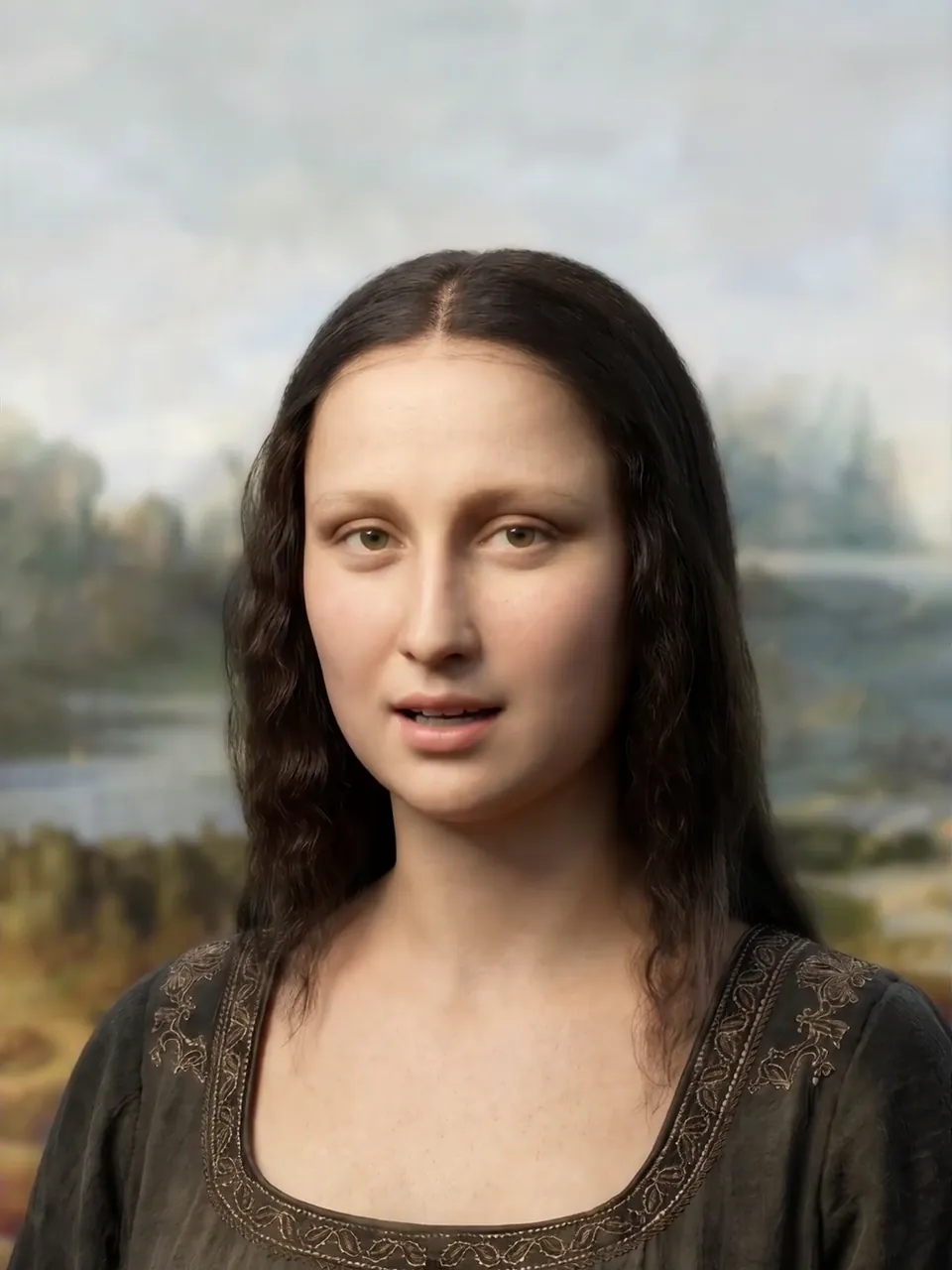
RENAISSANCEMona LisaLeonardo da Vinci's portrait · c. 1503
20+ artists · public-domain works
The Art library

Choose a great writing on art

Treatise on Painting
RENAISSANCE

A Treatise on Painting

Leonardo da Vinci

The notebooks of a painter who wanted to understand everything before painting.

Explore

Lives of the Artists
RENAISSANCE

Lives of the Artists

Giorgio Vasari

The first history of art, written by a contemporary of the masters.

Explore
Letters to Theo
19TH CENTURY

Letters to Theo

Vincent van Gogh

Every canvas explained to his brother, the same evening, unfiltered.

Explore
Journal
19TH CENTURY

Journal

Eugène Delacroix

The studio day by day: colour, doubt and discipline.

Explore
The Stones of Venice
19TH CENTURY

The Stones of Venice

John Ruskin

How an entire city becomes a lesson in looking.

Explore
The Spiritual in Art
20TH CENTURY

Concerning the Spiritual in Art

Wassily Kandinsky

When colour stops describing and starts to sound.

Explore
The hands of art

Meet the people who saw differently

RENAISSANCE
Leonardo da Vinci
1452–1519

The painter-engineer who drew in order to understand the world.

Start a conversation
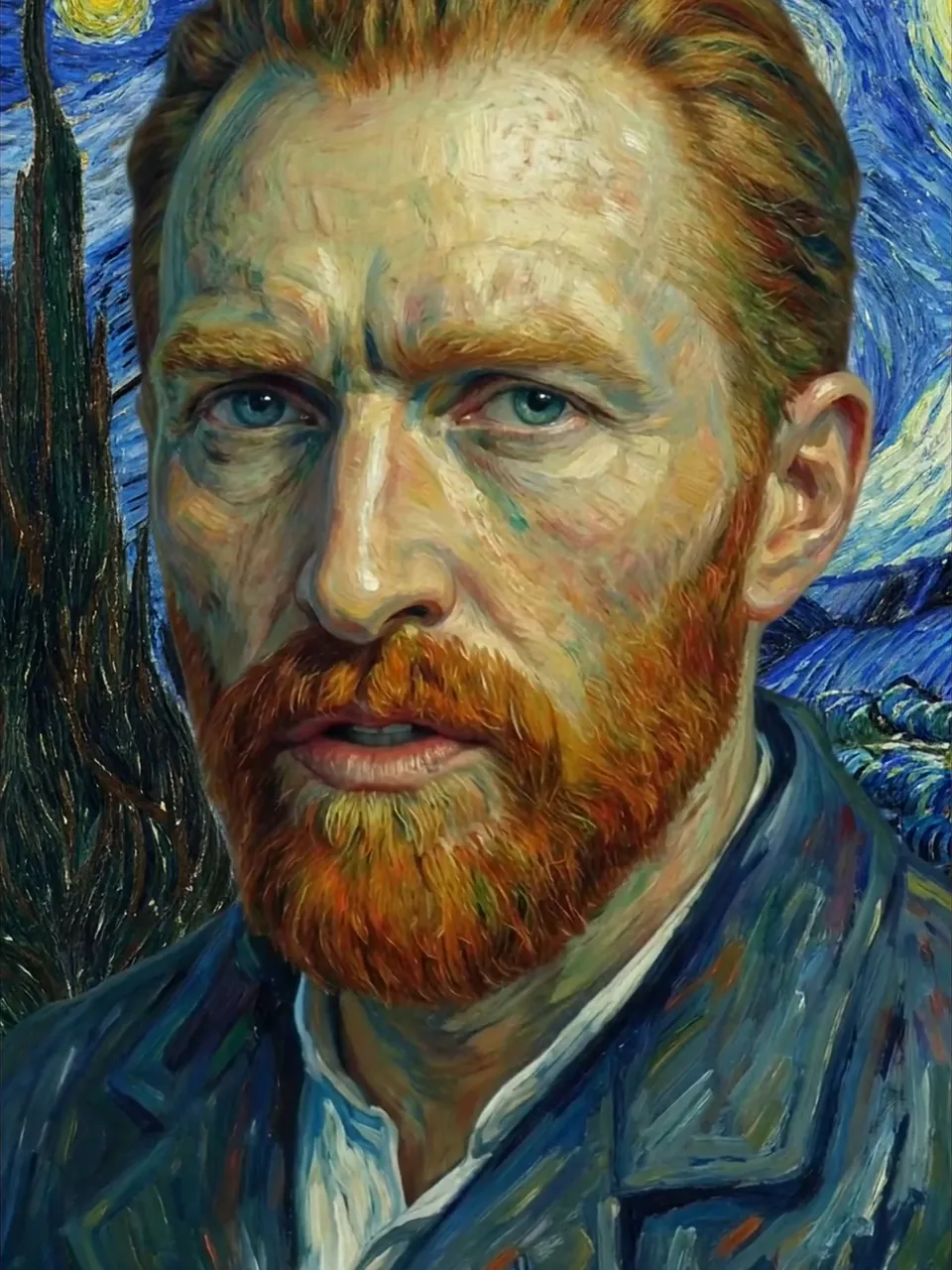
POST-IMPRESSIONISMSoon
Vincent van Gogh
1853–1890

Colour pushed to pure emotion, letter after letter.

Coming soon
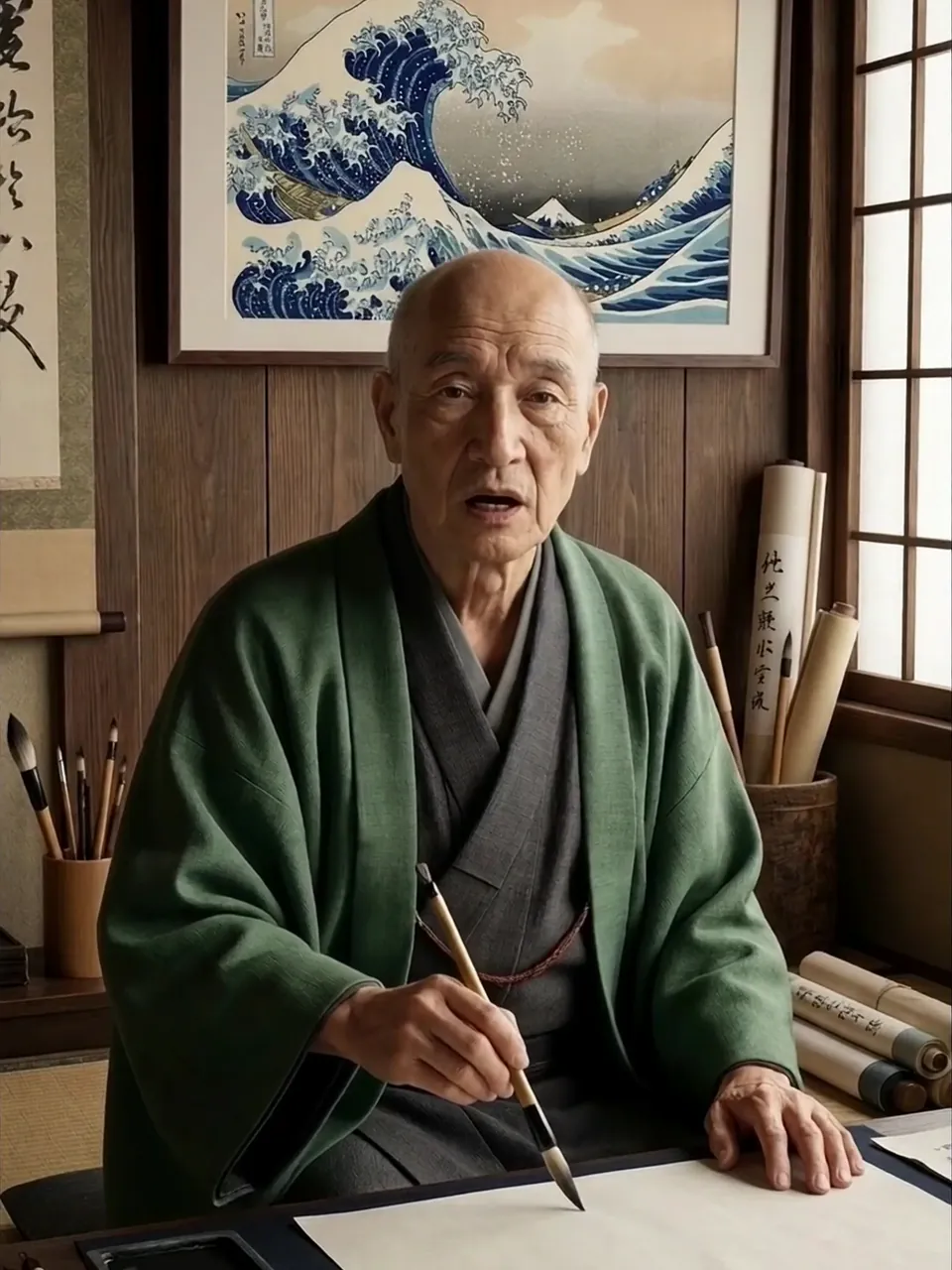
PRINTMAKINGSoon
Katsushika Hokusai
1760–1849

Thirty-six views of Fuji, and a lifetime learning to draw.

Coming soon
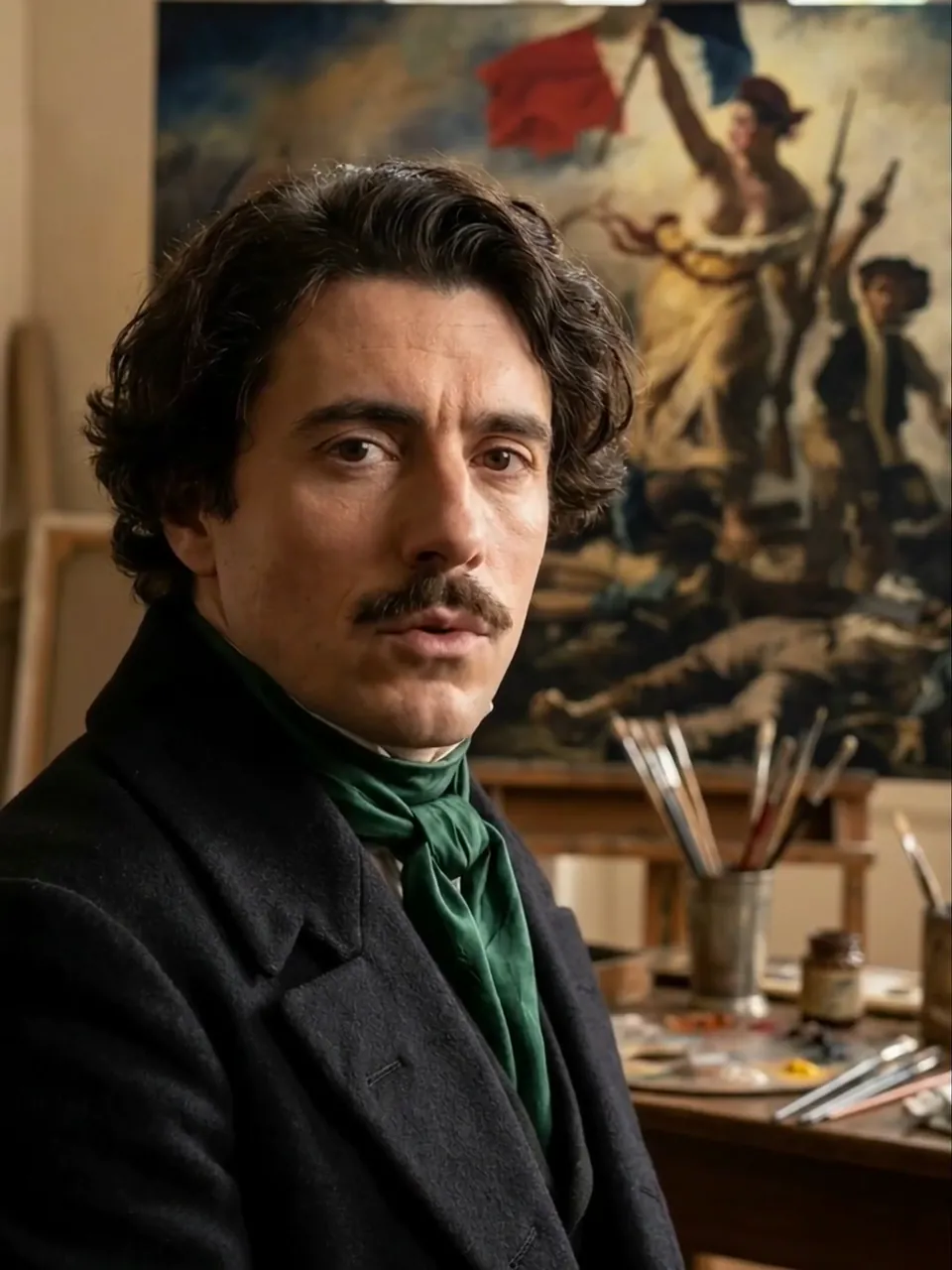
ROMANTICISMSoon
Eugène Delacroix
1798–1863

Movement, colour and the fever of French romanticism.

Coming soon
See all 20+ artists
✦ Learning by looking

Ask Leonardo what he actually saw

The same conversation experience you already know, applied to the works and the people who made them.

Understand a gesture, a material, a colour
Place a work within its era
Learn to look, not just to recognise
TREATISEONPAINTING
Leonardo da Vinci
Treatise on Painting · ● online
Why does the Mona Lisa's smile change depending on where I look?
You · 21:04
LV
“Painting is poetry that is seen rather than heard.”

Because I drew no line there at all. The corners of the mouth and the eyes dissolve into shadow — sfumato, a smoke. Your own eye finishes what my hand left unresolved: it is you who make that face smile.
Leonardo da Vinci · 21:04
The Mona LisaWhat is sfumato?The Last Supper
Ask Leonardo da Vinci your question…
Reading companion

Read a few pages, then talk about them

The same reading companion that follows you everywhere on the platform — now serving art.

1Read a few pages of an artist's writing
2Come back to talk about what you read
3Ask the artists themselves to explain
4Sharpen how you look, through dialogue
Letters to Theo · letter 534

“Instead of trying to reproduce exactly what I have before my eyes, I use colour more arbitrarily, so as to express myself forcibly…”

LV
Ask Vincent to explain this passage…
Why this way?

Learning art differently

The gesture

Understand how it was made

Material, brushwork, the preparation of a canvas — explained by the hand that knows them.

Artists' writings

The great texts on art

From Leonardo's notebooks to Van Gogh's letters, the artists' own words.

20+ artists

Meet the artists

Talk with Leonardo, Hokusai or Delacroix, in their own words.

Text · Audio · Video

Interactive conversations

Text, audio or video — question a work the way you'd question a friend.

Multiple lenses

Several schools, one dialogue

Set Delacroix against Hokusai on line and colour, and make up your own mind.

Reading companion

A habit of looking

The companion brings you back to the works and the texts, page after page.

Our commitment

More ethical AI for learning

⚖️

Respect for copyright

Learning Frontier works with authors and publishers to help ensure fairer compensation for rights holders.

🛡️

Data hosted in Europe

Learning Frontier data is stored in Europe, with particular attention to privacy and security.

🌿

More environmentally responsible AI

We adapt our models and how we use them to limit their energy consumption while maintaining a high-quality learning experience. This approach aims to reduce the ecological impact of AI.

💛

Supporting ethical AI

By using Learning Frontier, you support an approach to AI that respects creators, protects data, reduces its environmental footprint, and makes knowledge more accessible to all.

Try it free. Then explore without limits.

Discovery
For exploring.
€0
A 3-minute guided call with the avatar
Discuss writings in preview
See what's possible before rolling out more widely
Start for free
RECOMMENDED
Premium
For getting to the bottom of things.
€25 / month
The full included library
Unlimited avatar guidance calls
All artists included
Team features and organisational access
Try Premium
FAQ

Frequently asked questions

Who can I talk to?

Leonardo da Vinci, Van Gogh, Hokusai, Delacroix — and the works themselves, such as the Mona Lisa.

Where do the answers come from?

From their notebooks, letters and treatises, and the documented context of their time.

Do I need any background to start?

No. We start from what you see: a colour, a gesture, an impression.