RENAISSANCE
The Essays
Michel de Montaigne
The first book in which a man paints himself, without a mask.
Explore
 Learning FrontierTry the experienceExplore
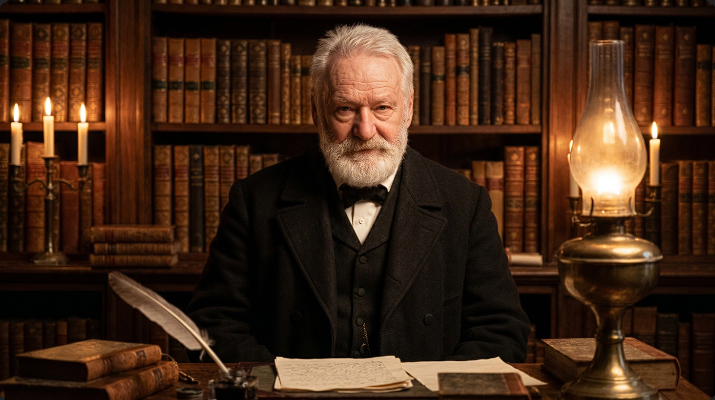
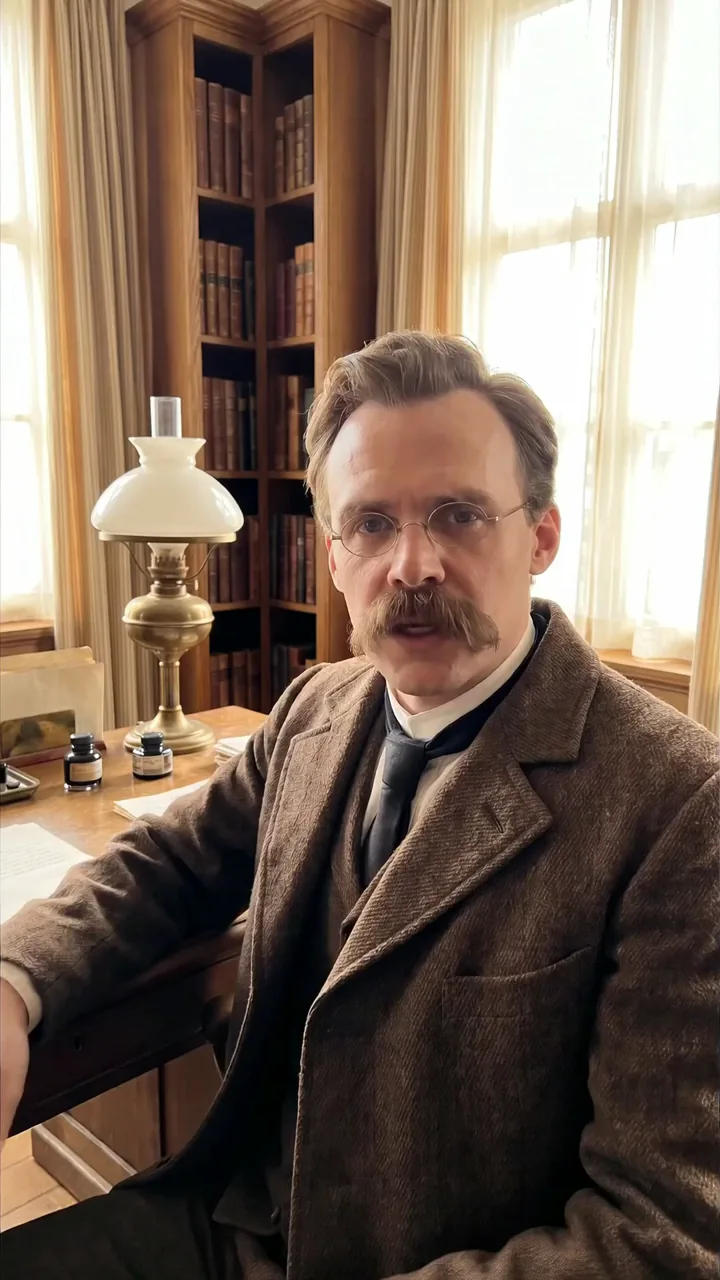
Hugo, Nietzsche, Spinoza and Schopenhauer come back to life through AI, grounded in their complete works. Ask a question. A voice answers.
One must still have chaos in oneself to give birth to a dancing star.
— Friedrich Nietzsche · 1844
Discuss a work in writing, on an audio call or on video. Get real reading coaching and follow guided paths.
The same reading companion that follows you everywhere on the platform — now serving philosophy.
“I do not portray being: I portray passing — not the passing from one age to another, but from day to day, from minute to minute…”
Public-domain set texts become conversations. Question Hugo, Rimbaud or Balzac, and prepare properly for both the written and the oral.
Learning Frontier works with authors and publishers to help ensure fairer compensation for rights holders.
Learning Frontier data is stored in Europe, with particular attention to privacy and security.
We adapt our models and how we use them to limit their energy consumption while maintaining a high-quality learning experience. This approach aims to reduce the ecological impact of AI.
By using Learning Frontier, you support an approach to AI that respects creators, protects data, reduces its environmental footprint, and makes knowledge more accessible to all.
Montaigne, Nietzsche, Hugo, Molière, Baudelaire and dozens of other public-domain authors.
From their complete works. Every answer rests on their own texts, not on the noise of the web.
No. Ask a simple question: the author adjusts their language to yours.
Work with us
Want to collaborate with us or learn more about the company? Propose a partnership or reach our press team — every message gets an answer.
Company, organization, creator, educational institution or future partner — tell us what you have in mind.